Scientific equations to user experiences
Complex engineered workflows to intuitive experiences
A paradigm shift from features to user centric expereinces
Solving complex, highly engineered problems to achieve a highly efficient user experience. Shift from the process of working on features and delivering designs based on Product managers requests to working on workflows with user feedback and following a design process.
Process
Evaluation
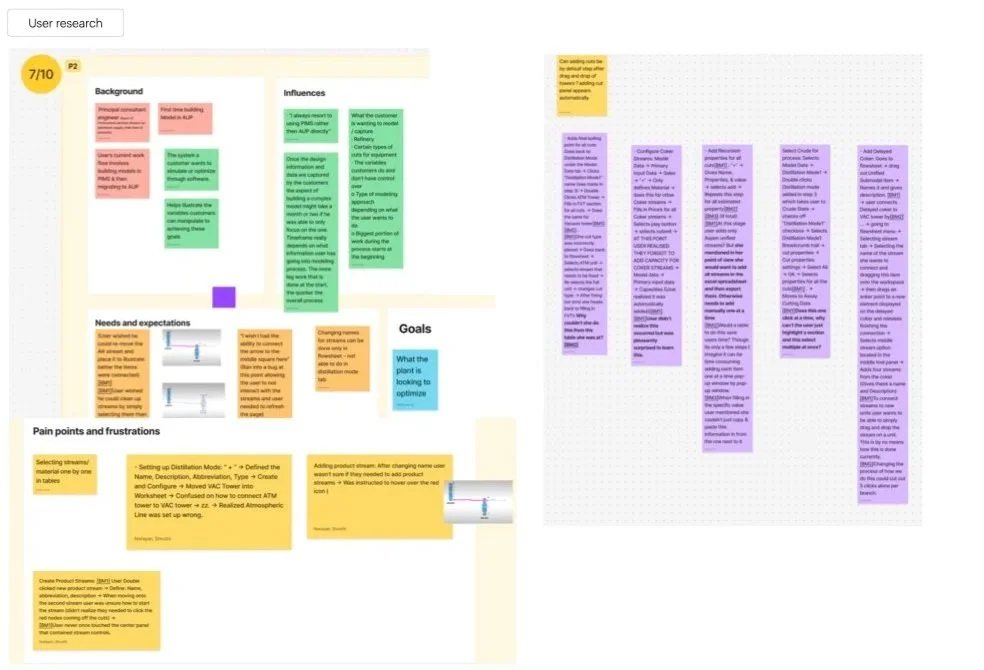
User feedback
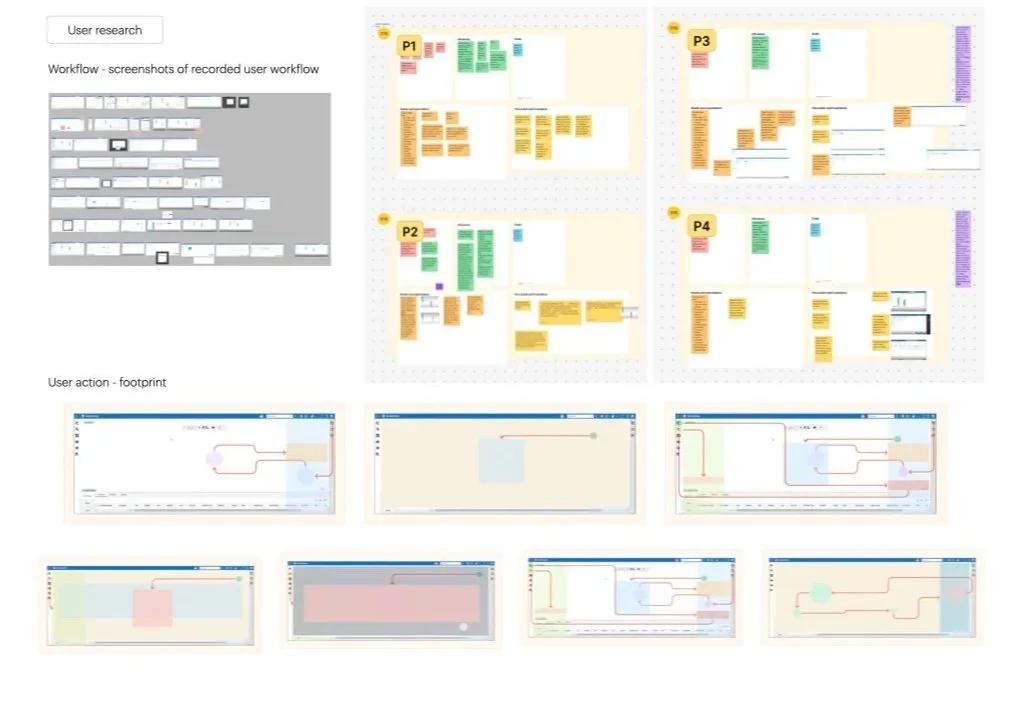
Usability testing
Evaluating current experience, tracking eye movements and user interactions.
Solutions
User guidance - visual affordance
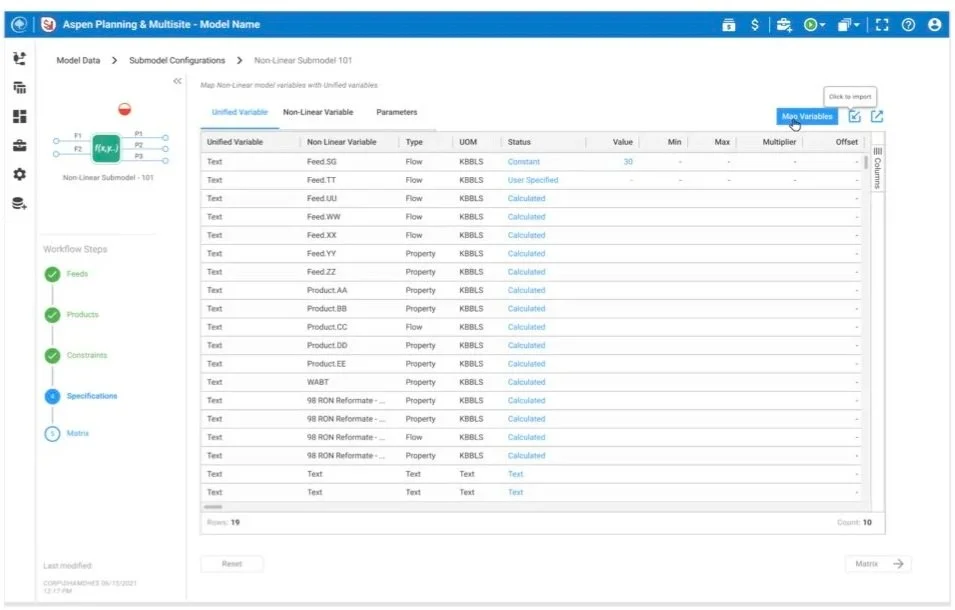
In planning models, users go through different sets of data configuration. I used design pattern - stepper or wizard to solve this by providing users a visual affordance for the process. It helped in users identifying what was needed in order to complete a workflow. They could move between steps at ease.
Shortcuts
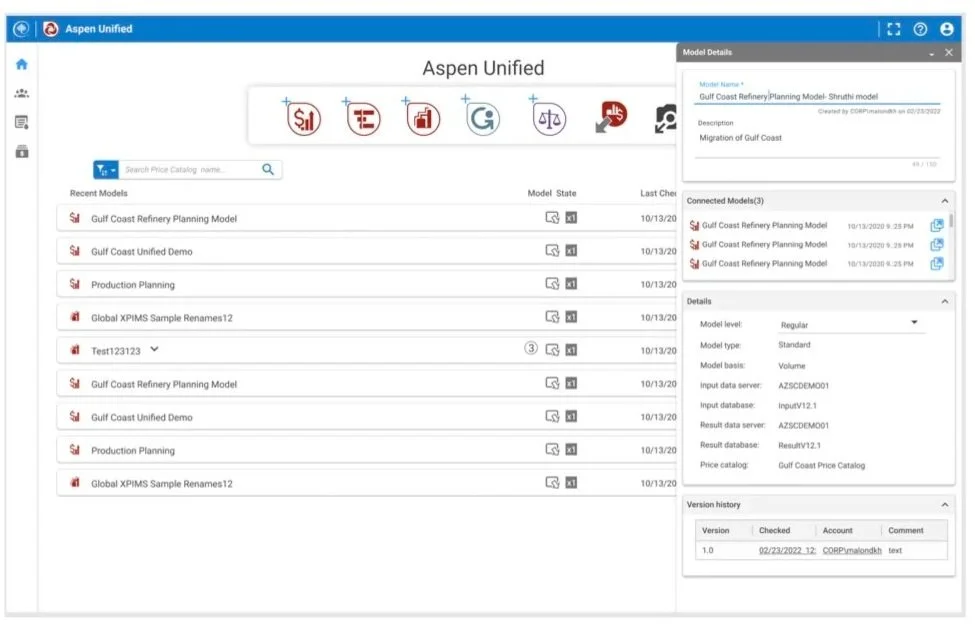
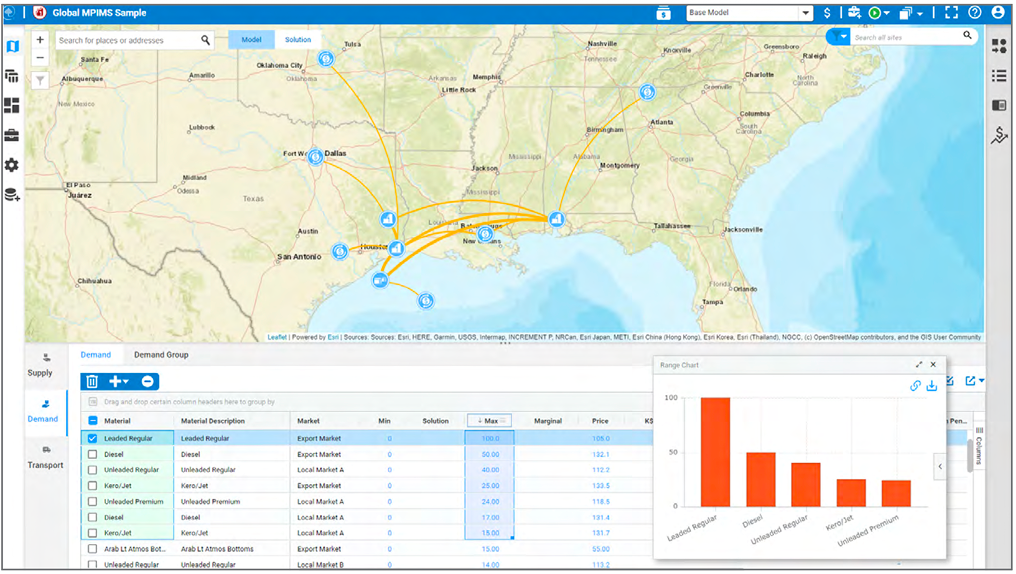
Planning models have parent child objects. Following object oriented UX helped in simplifying navigation between models, sub models and cases.
Data visualization
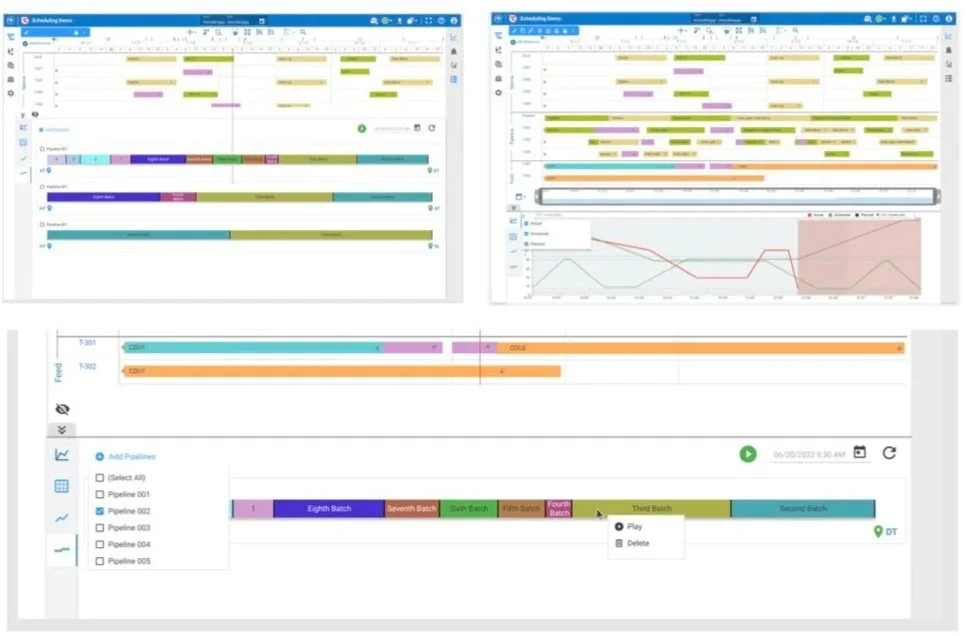
The ability for users to add pipeline in scheduling models and visualize trends to understand the flow of materials in and out of tanks.
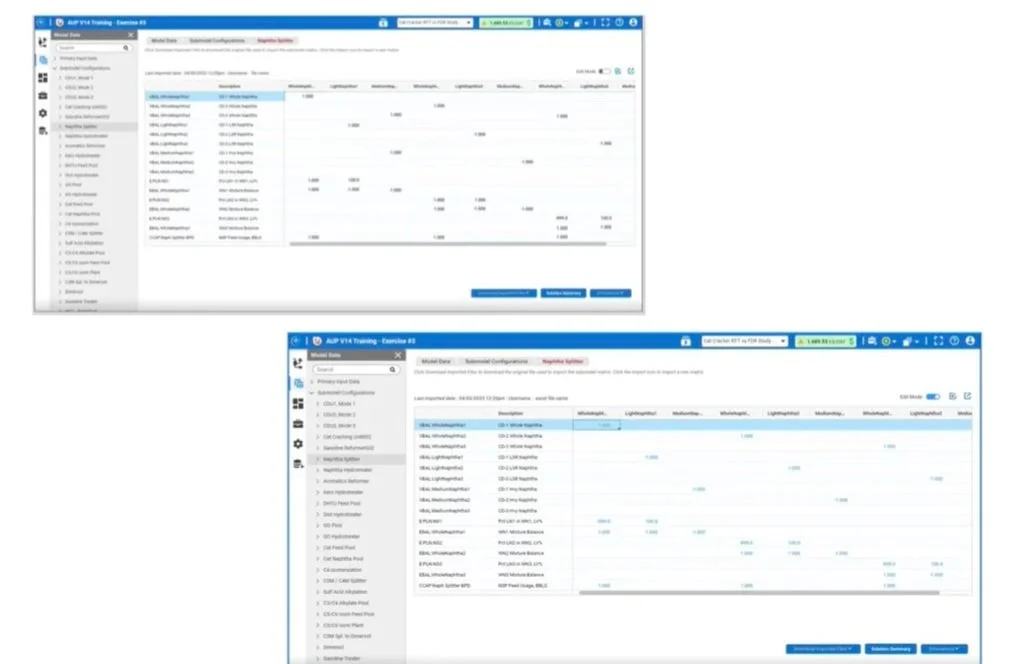
View vs edit
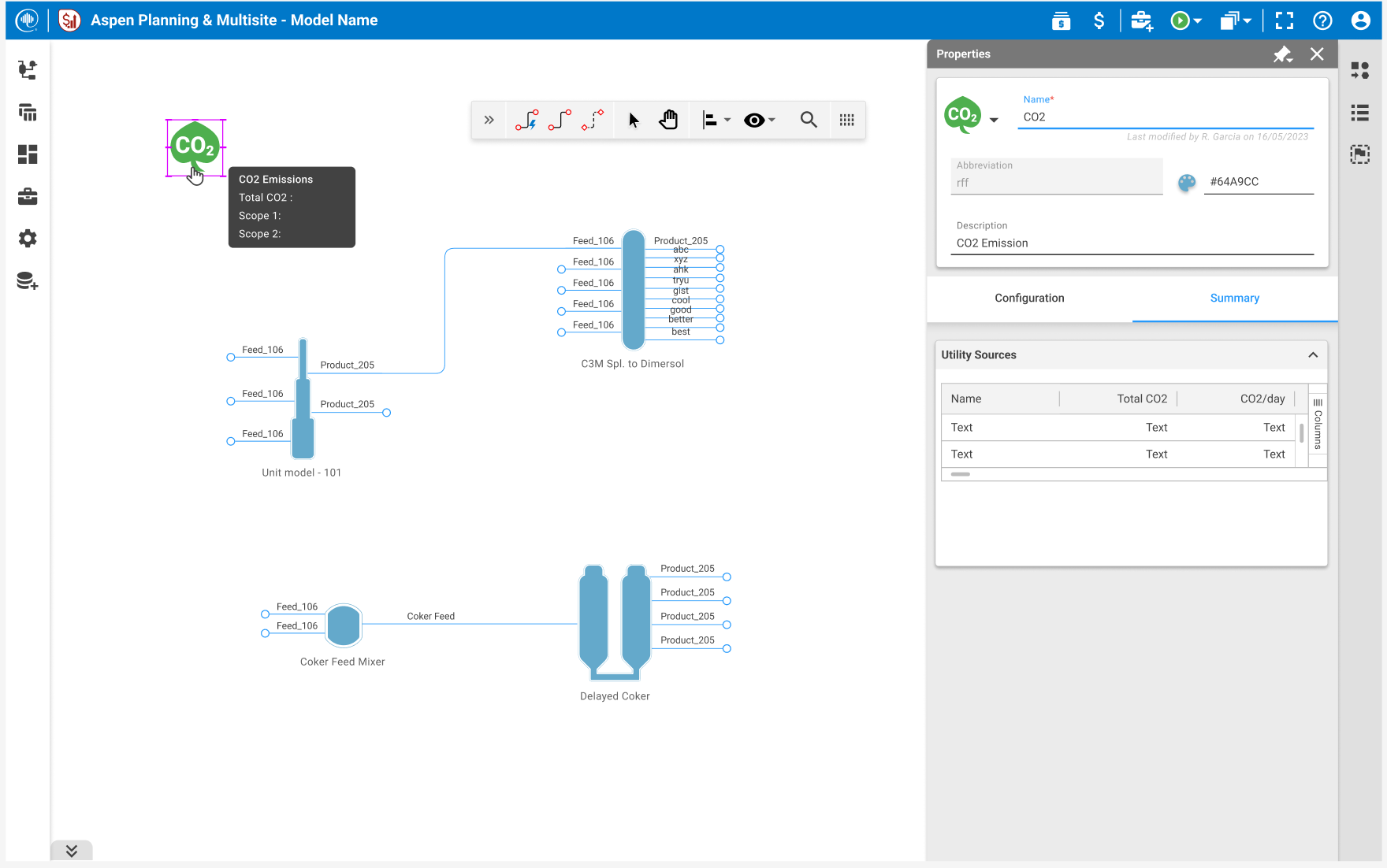
Allow users to edit data values but at the same time its important to secure data. Avoid error and conflicts while collaborating with other users